







 Share
Stoermer Murphy and Partners is an architecture studio based in Hamburg, renowned for high-quality cultural, administrative, and hospitality projects. Founded as Jan Störmer, it went through a partnership phase with Will Alsop before adopting its current name in 2009. The studio is committed to sustainability through technical innovation, excellent materials, and craftsmanship, pursuing a responsible and forward-thinking approach to architecture.
When it comes to sustainability, what parameters guide your design decisions?
We have adopted a life-cycle thinking approach from the outset, assessing the environmental impact throughout the building’s entire life cycle. We define a clear “carbon budget” with the client that considers both the carbon we incorporate and the carbon we emit. We prioritize passive strategies, such as building orientation and natural ventilation, and we design for flexibility of use and material circularity. The most reliable indicators are: embodied CO₂, the EUI (energy use intensity), the circularity index such as the Materials Passport (DPP), environmental comfort, and the overall impact on the ecosystem, for example, land use intensity.
In recent years, have you noticed a change in the approach of clients and companies toward sustainability?
Yes, the change is evident. More and more clients, especially public bodies and large private developers, are moving beyond simple regulatory compliance and setting their own goals, such as climate neutrality. The demand for transparency is increasing: carbon assessments, material passports, and life cycle analyses are increasingly requested. However, real investment only happens where the value over time is understood. In sectors such as hospitality and residential, sustainability becomes part of the brand identity, pushing towards more durable materials and circular strategies.
How important is the choice of materials in your design process in terms of environmental impact, durability, disassembly, and healthiness?
The choice of materials is central from the earliest stages, as it affects structure, detailing, costs, and carbon footprint. In contexts such as schools or healthcare facilities, we pay great attention to healthiness, avoiding materials with VOCs or toxic treatments. We prioritize local materials, reducing transport emissions and supporting the local economy. A material that lasts 80 years is more sustainable than a “green” one that lasts 20: durability and responsibility go hand in hand.
What is your view on the use of ceramics in sustainable architecture?
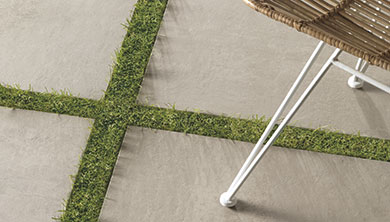
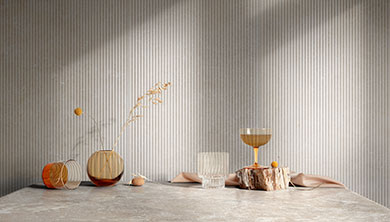
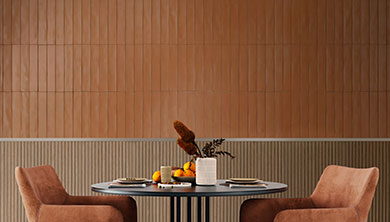
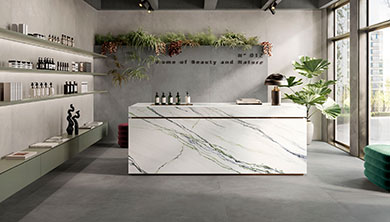
Ceramics are valued for their exceptional durability: used in interiors or facades, they require little maintenance and ensure a long life for the building. They are hygienic, non-toxic, and easy to clean, qualities that are essential in schools, hospitals, and hotels. Although their recyclability depends on local infrastructure, their long lifespan often compensates for the lack of an established end-of-life cycle. We appreciate the material honesty of ceramics when used as an authentic, tactile, and resilient surface.


